Forget the Framed Certificate on the Wall — Employers Are Hiring for This Instead
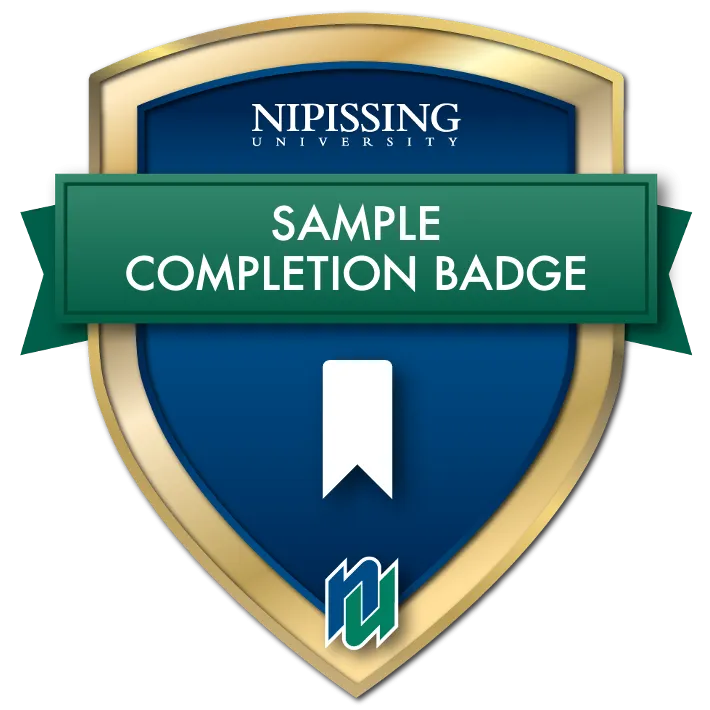
Photo: digital badge micro-credential on laptop screen professional development, via irp.cdn-website.com
Somewhere right now, someone is spending $4,000 on a professional certification they found on a Google search at 11pm. They've been told it'll open doors. They believe it. And in some industries, they might be right. But in a growing number of fields, that certificate is going to do a lot less than they think — and a completely different kind of credential is quietly taking its place.
The shift is real, it's happening fast, and if you're building your career in tech, marketing, design, data, or any number of other digital-first industries, understanding it could be the most valuable thing you do this year.
The Problem With Traditional Certifications
Let's be fair: certifications aren't worthless across the board. A CPA is still a CPA. A licensed electrician needs their license. In regulated industries — healthcare, law, finance, skilled trades — formal credentials carry legal weight that isn't going anywhere.
But outside those lanes? The story is changing pretty dramatically.
A 2023 survey by the National Association of Colleges and Employers found that hiring managers at tech and marketing firms increasingly rank demonstrated project experience above formal credentials when evaluating candidates. LinkedIn's own hiring data shows that skills-based hiring — where employers filter by specific demonstrated abilities rather than degree or certification status — grew by over 40% between 2020 and 2023.
The issue with traditional certifications isn't that the knowledge behind them is bad. It's that a certificate, by itself, tells an employer almost nothing about what you can actually do. It says you passed a test. It doesn't say you can solve their problem.
And in an era where you can pass a multiple-choice certification exam after two weeks of cramming — or, let's be real, with some AI assistance — the signal value of that credential has dropped significantly.
So What's Actually Working?
Enter the micro-credential. And no, this isn't just a fancy rebranding of "certificate."
Micro-credentials are short, focused, verifiable proof of a specific skill — and the key word there is verifiable. The most credible versions are blockchain-backed digital badges issued by platforms like Credly, Accredible, or Badgr. These badges can't be faked, can be embedded in a LinkedIn profile or email signature, and link directly to a record of what the earner actually did to earn them.
But it goes beyond badges. The broader shift is toward what career researchers are calling "proof of competency" — a portfolio of work, contributions, and demonstrated output that shows rather than tells.
Think: a GitHub repo with real projects. A case study you wrote about a campaign you ran. A design portfolio on Behance. A published data analysis on Kaggle. A course you completed that included a graded capstone project reviewed by industry professionals.
These aren't replacements for learning — they're the output of learning, made visible.
Which Credentials Still Matter by Industry
Here's the honest breakdown for a few major sectors:
Tech and Software Development: Formal CS degrees have been losing ground for years. What matters now is your GitHub, your portfolio, and your ability to pass technical interviews. Platform-based completions from places like freeCodeCamp or The Odin Project carry weight when backed by visible work. AWS and Google Cloud certifications still hold value in cloud infrastructure roles — they're rigorous and employer-recognized.
Digital Marketing: Google Analytics and Meta Blueprint certifications are still worth having because they signal platform fluency. But they're table stakes, not differentiators. What actually gets people hired is showing a campaign you ran, the results it produced, and your ability to explain the decisions you made.
Data and Analytics: SQL skills, Python proficiency, and the ability to tell a story with data matter far more than any single credential. Kaggle competitions, public analyses, and portfolio projects on Tableau Public are the kind of proof that gets attention.
UX/UI Design: Your portfolio is your credential. Period. A Google UX Design Certificate (offered through Coursera) has gained genuine traction because it requires building real case studies — but it's the case studies that do the work, not the certificate itself.
Project Management: PMP is still widely respected and employer-recognized, especially in enterprise environments. PMI has worked hard to maintain the rigor of that credential, and it shows up in job listings constantly. This is one space where the traditional cert isn't dead yet.
How to Build Digital Proof of Competency
If you're rethinking your credentialing strategy, here's a practical framework:
Start with skills, not certificates. Identify the three to five specific skills most in-demand for the role you want. Search job postings obsessively — the language employers use in listings is exactly what you should be building toward.
Choose learning paths with built-in output. Not all online courses are equal. Look for programs that include real projects, peer review, or capstone work. A course that ends with a certificate and a portfolio piece is always more valuable than one that ends with a certificate alone.
Make your work findable. LinkedIn is non-negotiable. But also consider a personal site, a Notion portfolio, or contributions to public platforms in your field. Recruiters search for candidates — make sure your work shows up.
Stack micro-credentials strategically. One badge doesn't move the needle. A coherent collection of micro-credentials that tells a clear skill story — say, data visualization + SQL + business analytics — creates a compelling picture of someone who's been intentional about their growth.
Document your learning process. Writing about what you're learning (on LinkedIn, a blog, or even a newsletter) signals curiosity, communication skills, and genuine engagement with your field. It's also surprisingly good for getting noticed.
The Expensive Mistake to Avoid
The worst thing you can do right now is spend $5,000 on a certification because it sounds impressive, without checking whether it actually shows up in the job postings for roles you want. That money spent on a targeted learning path, a professional portfolio, and a few high-quality micro-credentials will almost always produce better outcomes.
Credentials are still part of the career game — they're just not the only piece anymore, and in many fields, they're not even the most important one. What employers are increasingly paying for is proof: proof that you can do the work, that you've done it before, and that you're the kind of person who keeps getting better.
Building that proof takes time. But it also starts today.